

If you’re dragging through your workouts or hitting a wall halfway through your day, your nutrition might be to blame. Food is fuel, but not all fuel burns the same. The right meals and snacks can help you power through your workouts, recover faster, and feel more energized overall. The wrong ones? They can leave you sluggish, foggy, and wondering why your usual routine suddenly feels twice as hard. Let’s talk about how to eat smarter to fight fatigue and train better.
Start Your Day With Energy-Boosting Foods
What you eat in the morning sets the tone for your entire day. Skipping breakfast or grabbing something sugar-heavy can leave you crashing by mid-morning, especially if you’ve got a workout planned. A balanced breakfast with complex carbs, protein, and healthy fats provides steady energy and keeps hunger in check. Oats with nut butter, eggs with whole-grain toast, or a smoothie with fruit and protein are all great options. If you’re still feeling sluggish, it helps to learn how to keep moving even when your energy dips—because nutrition is only one piece of the puzzle.
Don’t Skimp on Carbs Before You Train

Carbs have a bad rap in some circles, but they’re essential for fueling intense workouts. Your muscles rely on glycogen, which is stored from the carbohydrates you eat. If you’re going low-carb before hitting the gym, you might be setting yourself up for fatigue. Aim for a pre-workout snack that includes easily digestible carbs and a little protein—like a banana with peanut butter or Greek yogurt with berries—about 60–90 minutes before training. This gives your body the fuel it needs to perform at its best.
Keep Hydration on Point
Dehydration is one of the sneakiest causes of low energy, especially during workouts. Even mild dehydration can make you feel tired, dizzy, and mentally foggy. Make it a habit to drink water throughout the day—not just during your workouts. If you’re exercising intensely or sweating a lot, you may need electrolytes as well to replenish lost sodium and potassium. Coconut water, electrolyte tablets, or just a pinch of sea salt in your water can help you stay balanced and energized.
Prioritize Protein and Recovery Meals
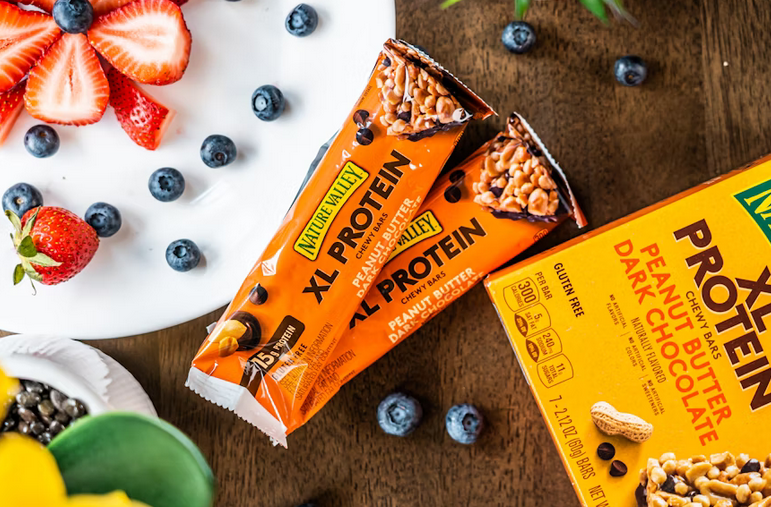
Eating the right foods after a workout is just as important as what you eat before. Post-workout meals should focus on protein and carbs to help repair muscle tissue and restore energy stores. Think grilled chicken with sweet potato, a protein shake with a banana, or a rice bowl with lean beef and veggies. If you skip this step or delay eating for too long, you’re more likely to feel drained later in the day—and you’ll miss out on optimal recovery.
Don’t Forget About Micronutrients
While carbs, protein, and fats get most of the attention, vitamins and minerals play a major role in keeping your energy levels stable. Iron, magnesium, B vitamins, and vitamin D are especially important for energy metabolism. A deficiency in any of these can leave you feeling tired, no matter how well you’re eating overall. Focus on whole foods like leafy greens, nuts, seeds, lean meats, and whole grains, and consider getting blood work done if your fatigue persists despite a balanced diet.
If you’re constantly feeling wiped out during workouts or throughout the day, don’t just blame your fitness routine—take a closer look at your plate. The foods you eat before, during, and after training directly impact your energy, focus, and recovery. Small changes in your nutrition can lead to big boosts in performance and how you feel overall. Eat consistently, stay hydrated, and don’t skip your post-workout meals. Your energy—and your results—will thank you.