
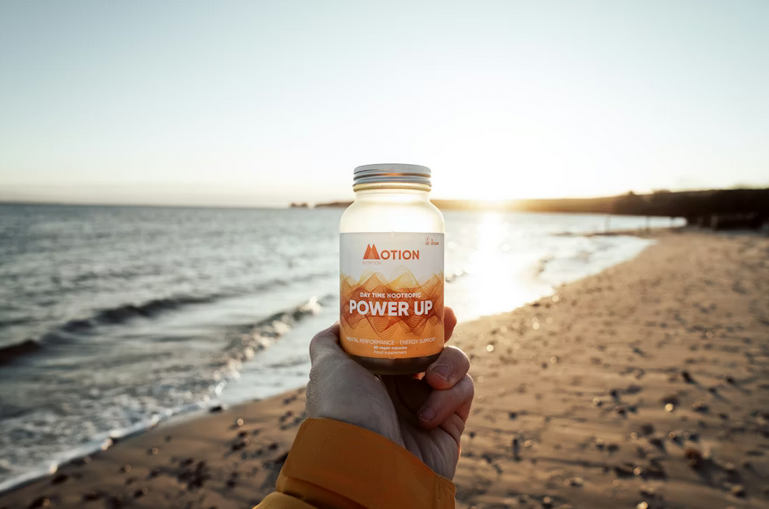
Many people buy nootropics hoping for sharper focus, yet some products barely contain the active ingredients they claim. Recent concerns about mislabeled formulas, highlighted in reports discussing Ecklonia cava supplement testing results, have made shoppers far more cautious. A so-called “super brain booster” might as well have been powdered air. You don’t need a science lab in your kitchen to protect yourself, but you do need a few smart strategies. So read on and see if your nootropic is doing nothing to your body.
Why Under-Dosed Nootropics Slip Through the Cracks
Some brands count on consumers not inspecting ingredient amounts. They sprinkle tiny doses of popular compounds just to get them on the label. It gives the product a high-tech glow without providing real cognitive support. You end up paying for promises instead of impact. The supplement market is crowded, and marketing teams know bold claims work. Fancy graphics and futuristic buzzwords trick many shoppers into trusting the bottle. Small doses hide behind these distractions. The result is a pill that looks impressive but does very little.
The First Clues That Something Isn’t Right

Labels with vague ingredient amounts are a big early warning. If a brand lists “proprietary blend” without details, that’s trouble. You can’t judge potency if the numbers are missing. That mystery is exactly what bad actors rely on. Another clue is a product that swears you’ll feel something almost instantly. Brain chemistry doesn’t flip like a light switch. Any promise of guaranteed overnight transformation deserves a second look. Keep your guard up if the marketing resembles a late-night infomercial.
Why Third-Party Testing Matters More Than Ever
Independent testing offers clarity. It verifies how much of each compound is actually present. Reputable companies share these results openly because transparency builds trust. If a brand behaves cagey about verification, consider that a loud signal to move on. The Ecklonia cava reports showed how some supplements contained no detectable active components at all. That’s not a small oversight—it’s a serious failure. People buy these products expecting real cognitive support. Instead, they get an empty capsule with a price tag.
How to Protect Your Wallet and Your Expectations
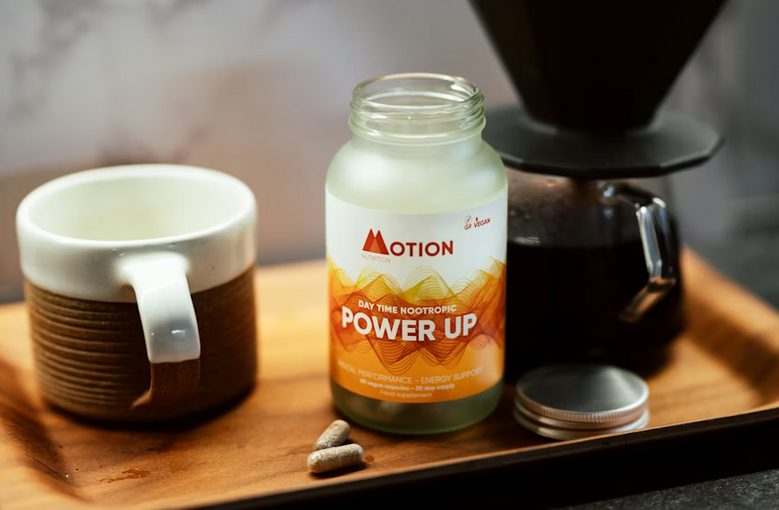
Buying from well-established sources helps reduce risks. These sellers have more consistent quality checks in place. It doesn’t guarantee perfection, but your odds improve dramatically. Fly-by-night brands often vanish the moment complaints surface. Pay attention to serving sizes, too. If the suggested dose looks unrealistically tiny, question it. Effective amounts often require more than a dusting of the compound. Brands that try to squeeze everything into a single micro-sized pill are usually cutting corners.
A Smarter Approach You Can Adopt
Choosing nootropics doesn’t need to feel like solving a mystery novel. A few simple habits keep you safer than most shoppers. Reading labels calmly, questioning bold claims, and checking for testing transparency go a long way. Your brain deserves better than guesswork. Confidence builds once you understand what to look for. You don’t need to memorize chemistry terms or chase every new trend. Just stay alert, ask basic questions, and trust your instincts when something feels off. You’ll save money, stress, and maybe even help a friend avoid a useless bottle sitting forgotten in a drawer.…